
The best beach homes are rarely the loudest. They are shaped by light, salt air, sand underfoot and the daily rhythm of coming and going, with materials that can take a beating and spaces that make ease feel intentional. Across Australia and beyond, these six projects show coastal design at its most compelling: restrained, tactile and deeply attuned to place.
Darling Point Residence
Interior design: Mim Design
Photography: Anson Smart
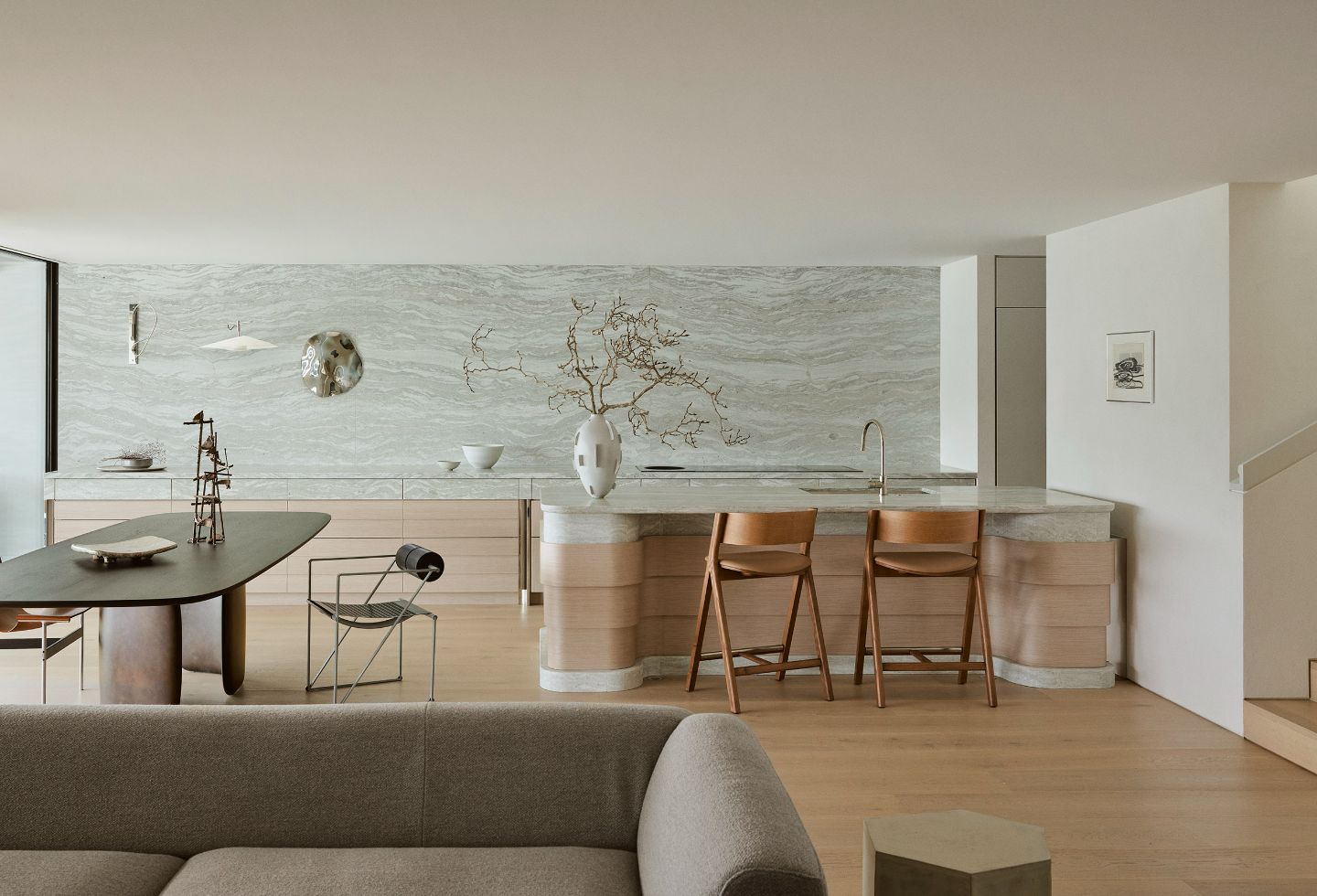
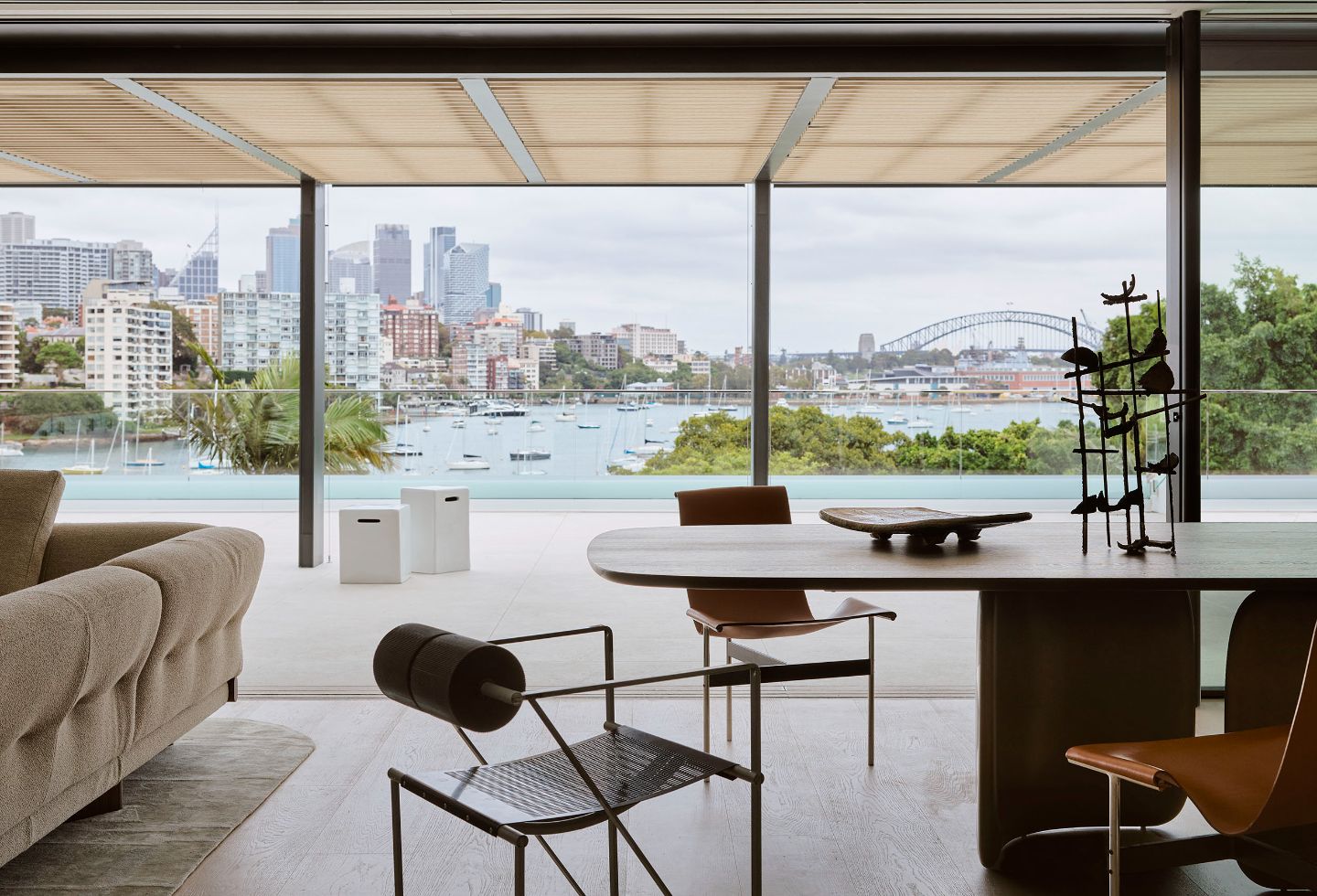
Rather than leaning on obvious nautical tropes, Mim Design takes inspiration from the refined logic of high-end boat building: concealed utility, sculptural joinery and a luxury defined by precision. With harbour views described as “cinematic” and constantly in motion, the interior stays calm and restrained, letting the water do the talking. Subtle shiplap detailing, a considered shift in timber grain, and a ceiling gesture that evokes a billowing spinnaker turn the apartment into something quietly immersive, a home that honours the ocean without performing it.
Sunshine Beach House
Architecture: Kelder Architects
Photography: Christopher Frederick Jones
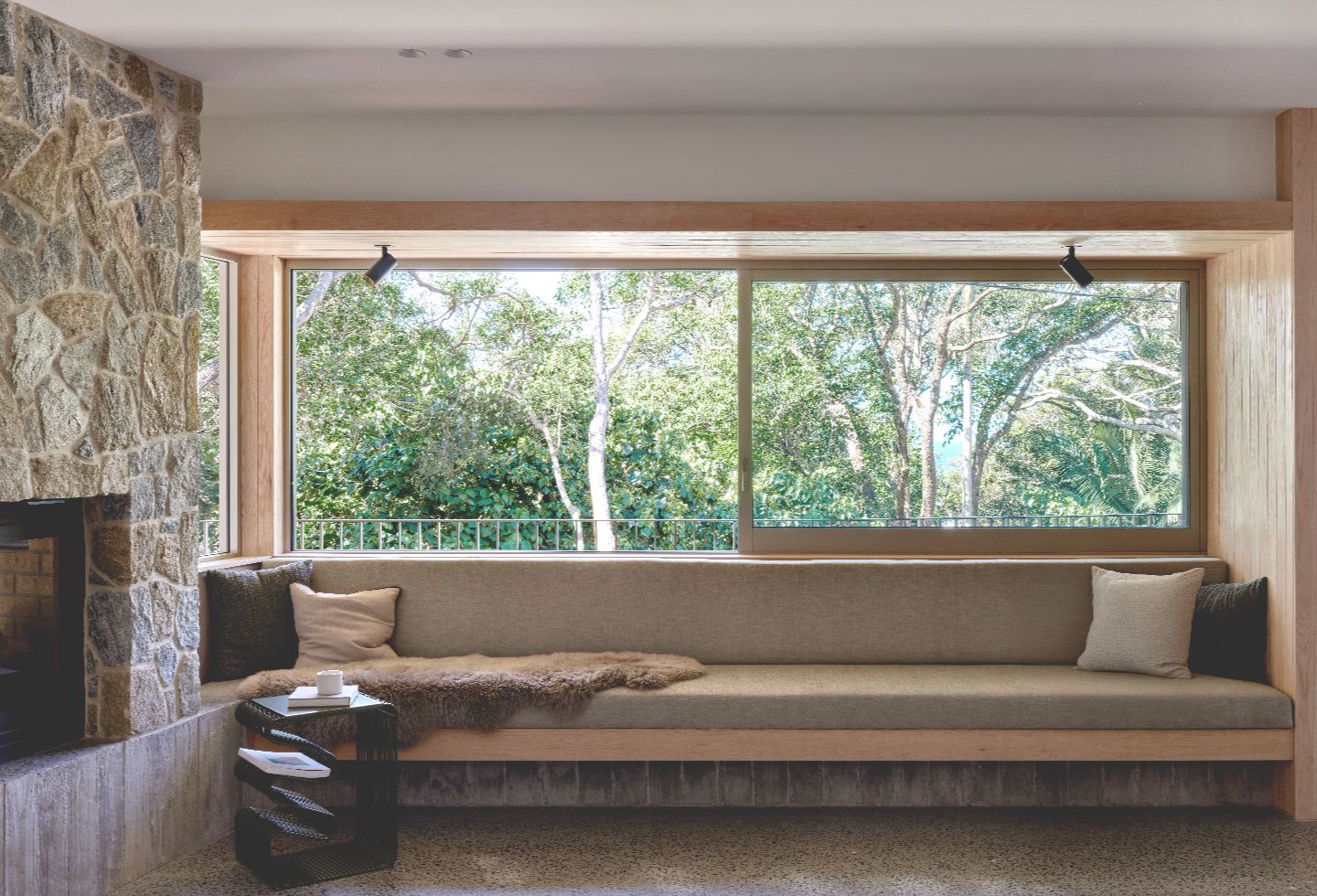
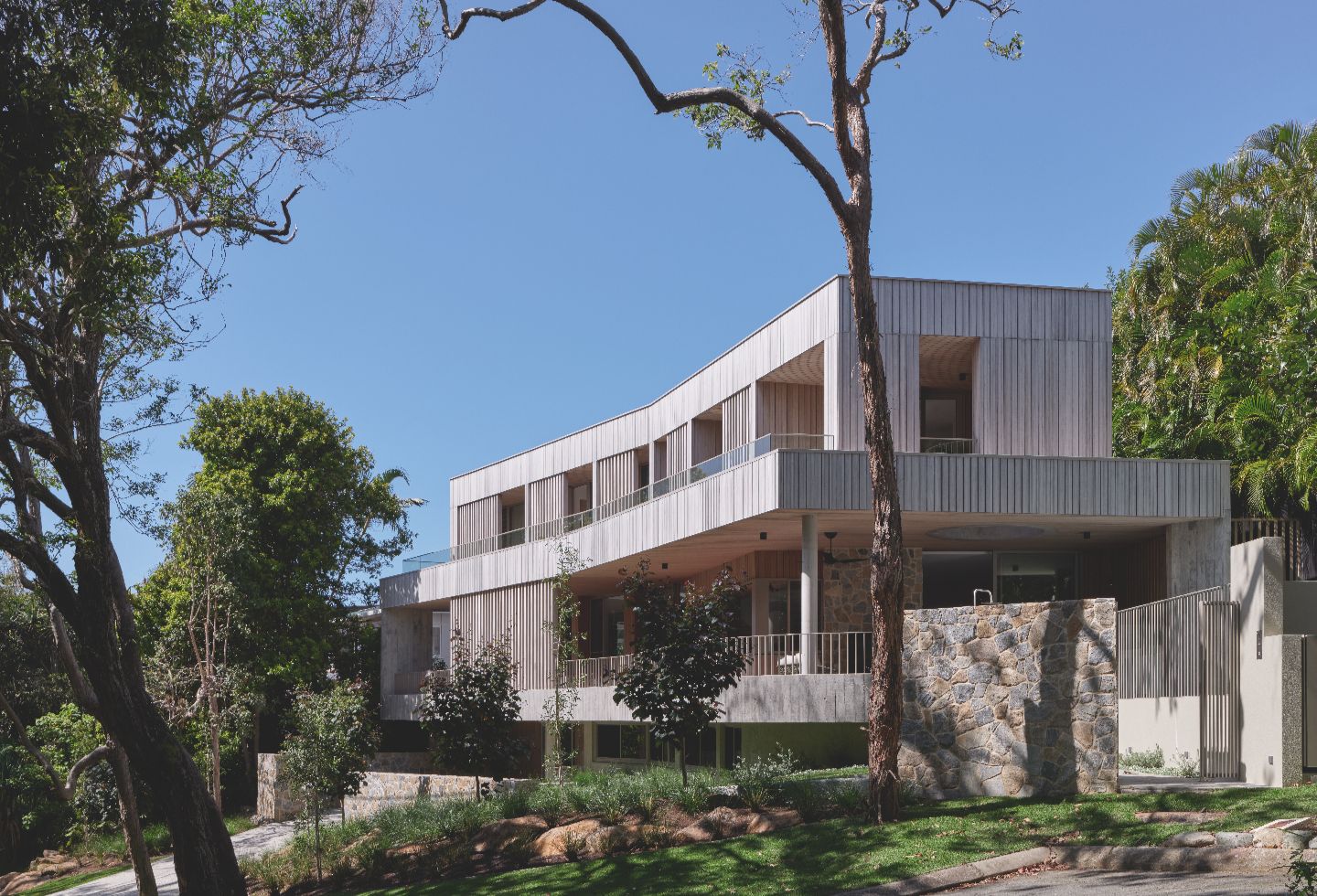
Set into steep topography on a triangular site, Sunshine Beach House is a lesson in coastal living shaped by voids, light and negative space. A rear courtyard carved into the hill anchors the plan, bringing ventilation and daylight deep into the home while maintaining privacy from the street. Sculptural concrete enables curved balconies and thickened walls, while timber cladding is chosen to weather naturally in the sea air. Across multiple levels, openings and decks stitch together ocean views, treetops and shaded outdoor living, balancing permanence with the ease of a holiday house turned long-term home.
Kora Home
Architecture: Chitale & Son
Interior design: Alara Studio
Photography: Phosart Studio
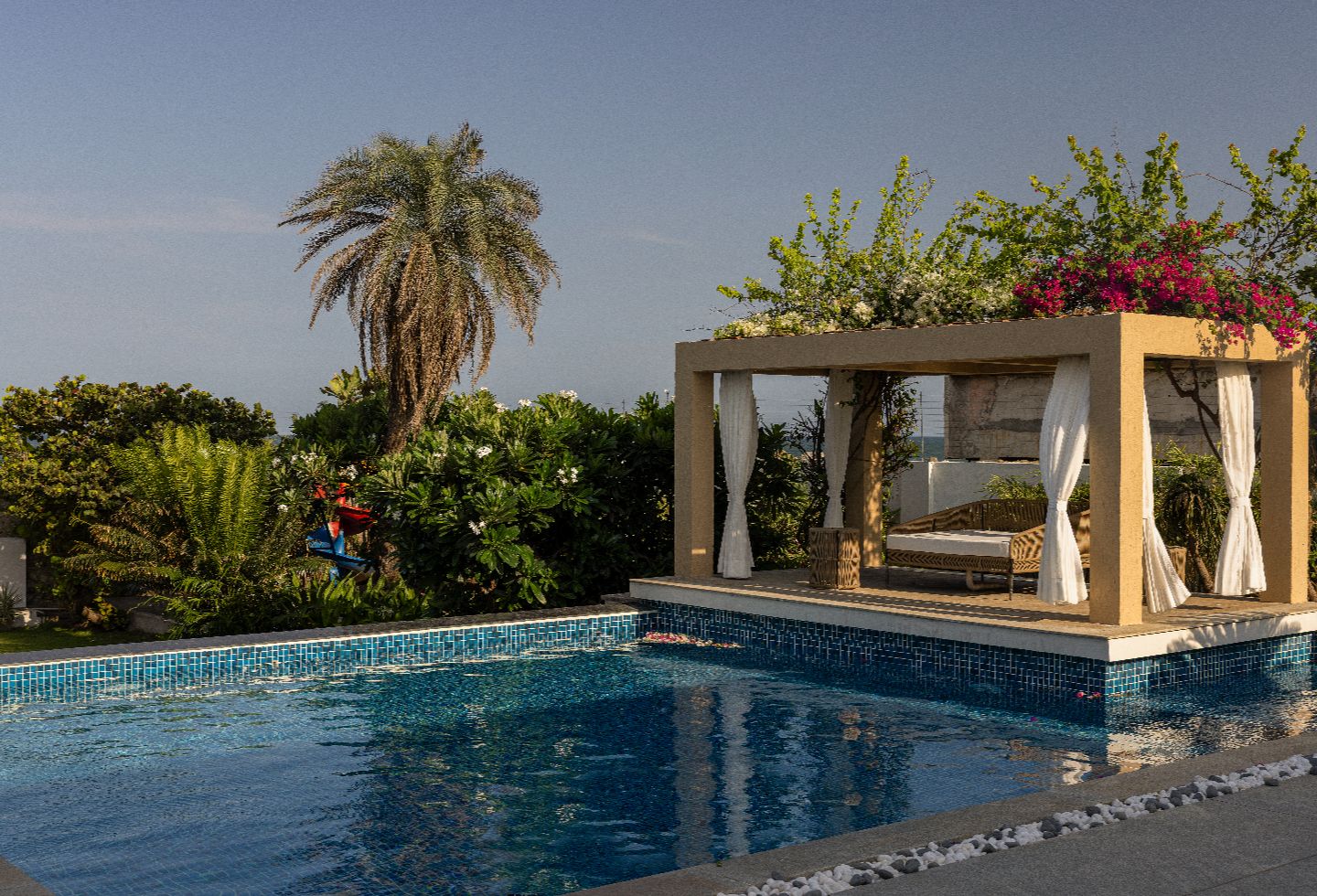
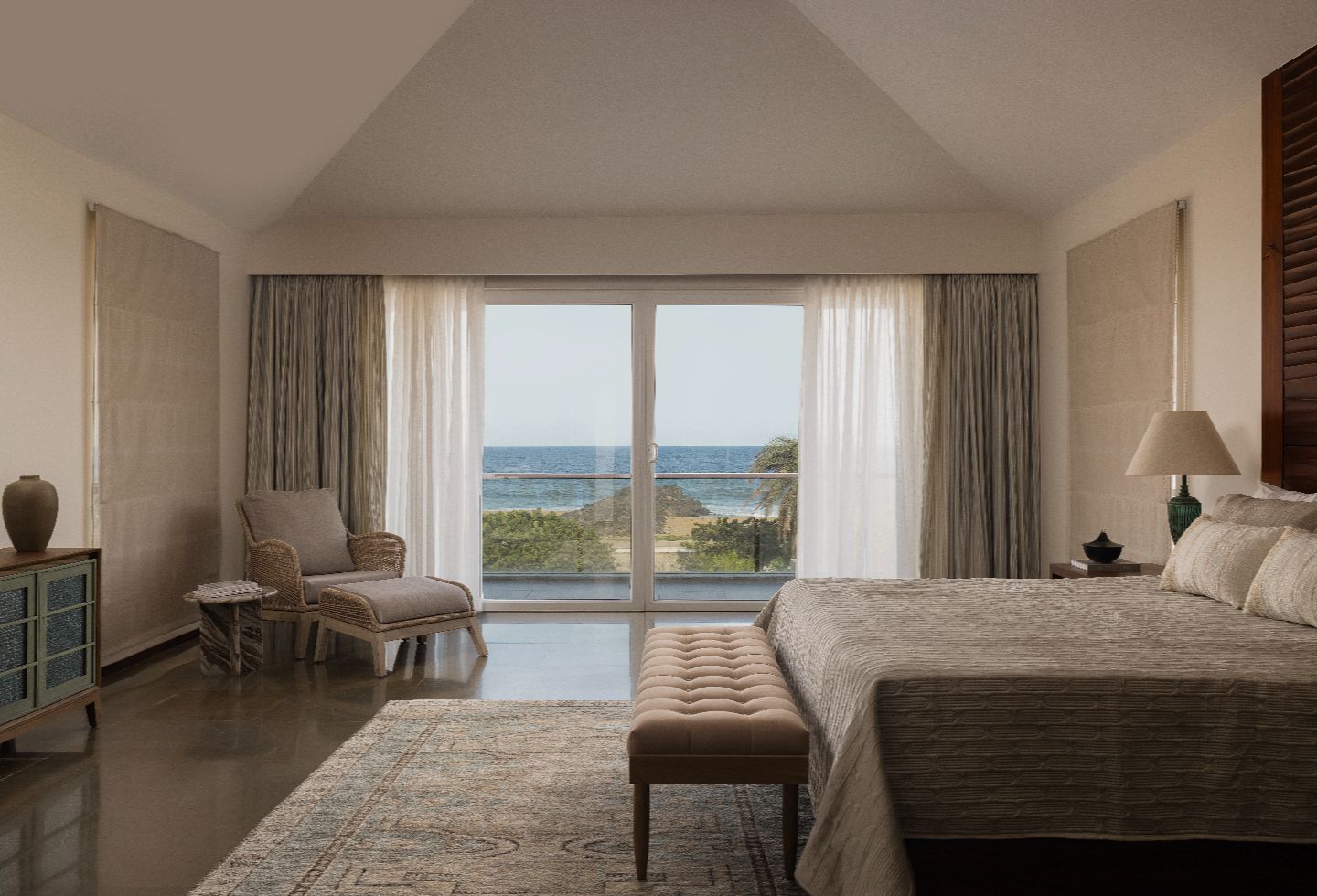
Oceanfront in Chennai, Kora Home interprets seaside living through restraint, rawness and a devotion to craft. With a pavilion-style layout and panoramic views of sea and sky, the interior’s minimal palette of creams, sands and darker timber tones creates a calm continuum from room to room. Handwoven cane, washed lime plaster and sculptural lighting become the emotional anchors, while meaningful, ethically sourced furnishings support a slow-living ethos. The result feels coastal without leaning on beach-house shorthand, instead letting atmosphere, texture and view do the work.
She sells sea shells
Architecture and interior design: multiplicity
Photography: Trevor Mein
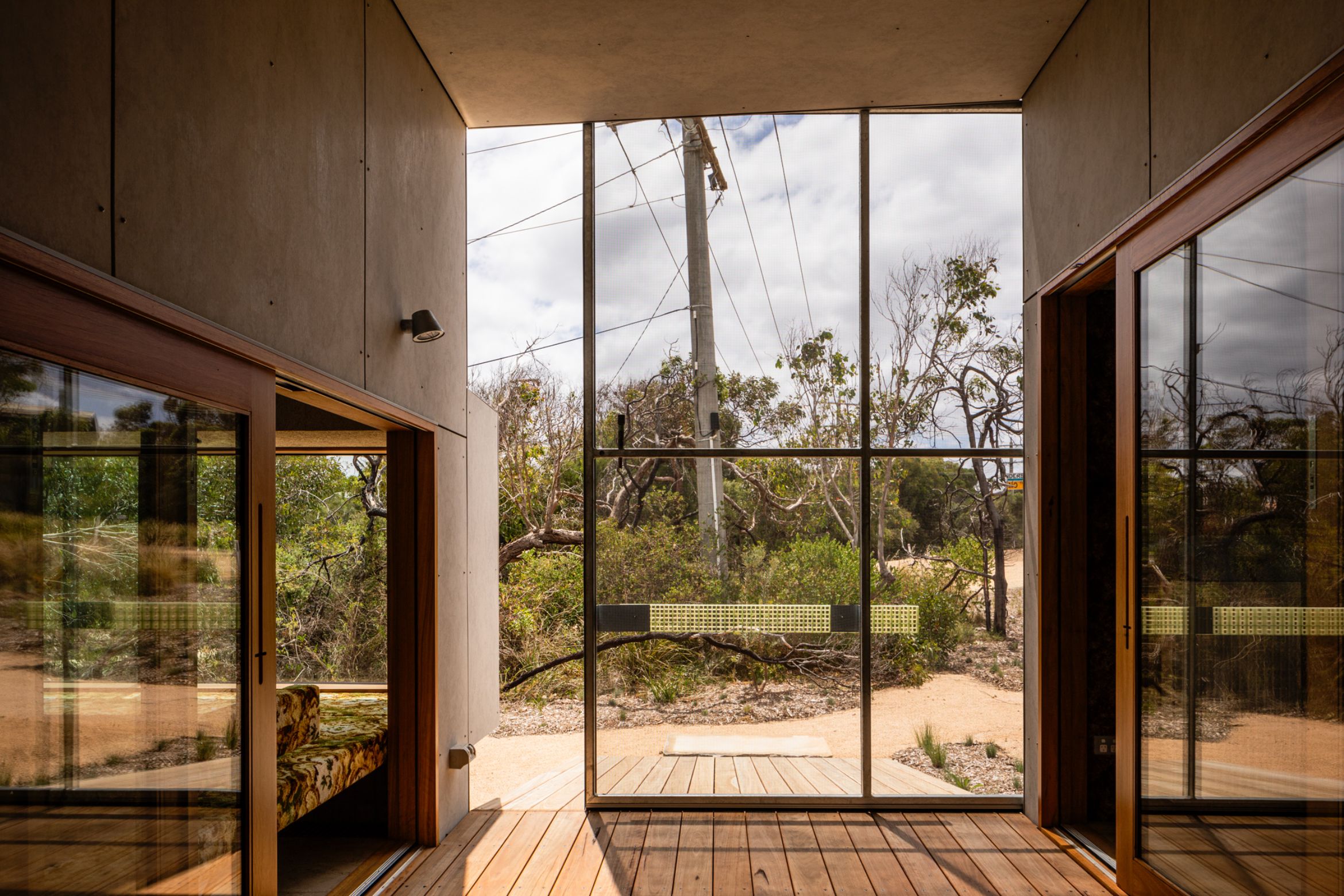
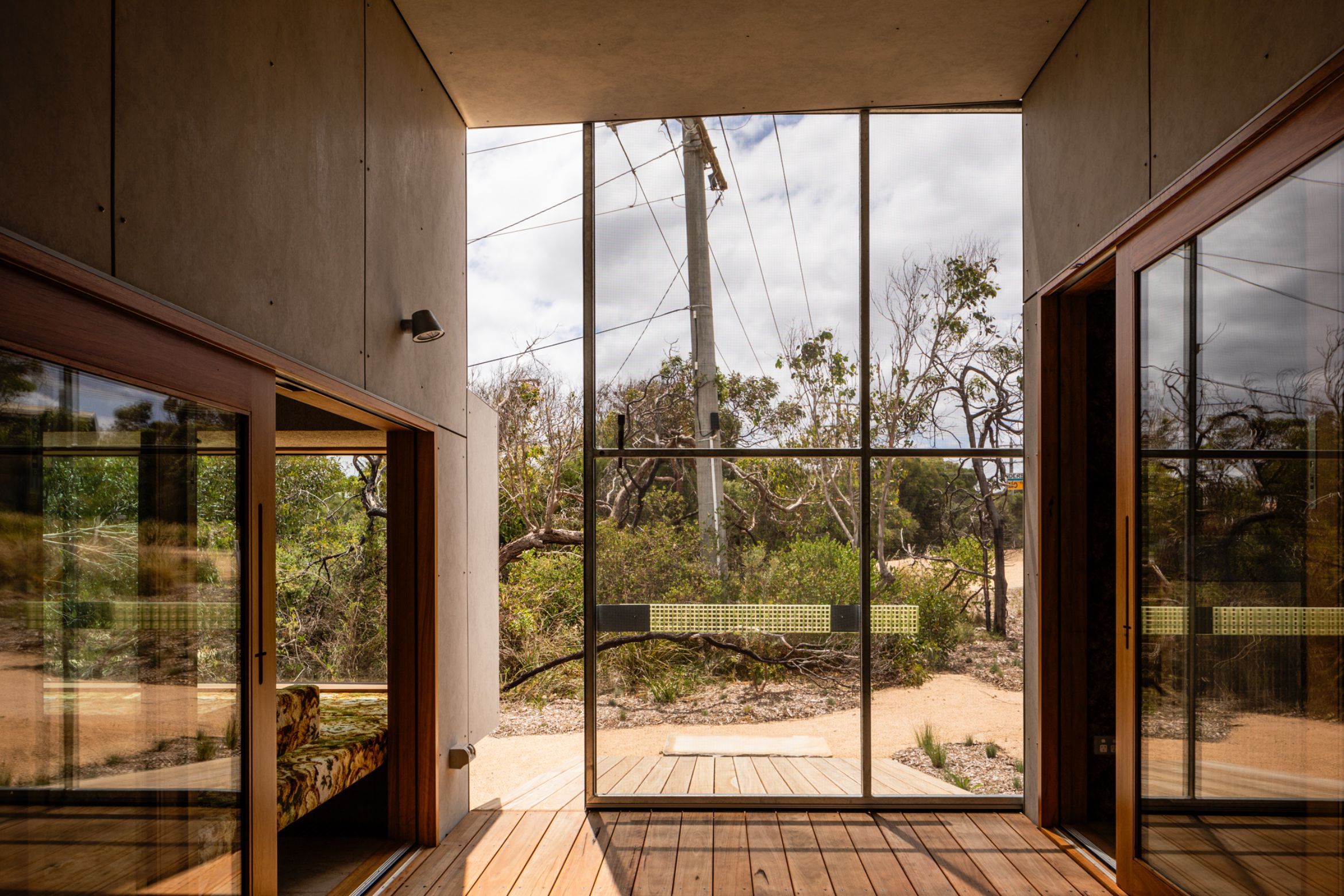
At Aireys Inlet, multiplicity designs a modest, single-storey beach house that is idiosyncratic and soulful, tuned to both vernacular shack culture and the realities of wind, insects and shifting coastal weather. The home can open up completely in warmer months thanks to operable screens, letting breezes through while keeping insects out. A collage of materials (FRP panels, cement walls, brick and shag pile carpet) creates a tactile interior landscape, while the client’s shell art is integrated with restraint and humour. It is a beach house that embraces nostalgia and texture without becoming themed, grounded in what the practice calls “the quiet line”.
Byron Bay beach shack
Architecture: Occupy Studio
Photography: Cieran Murphy
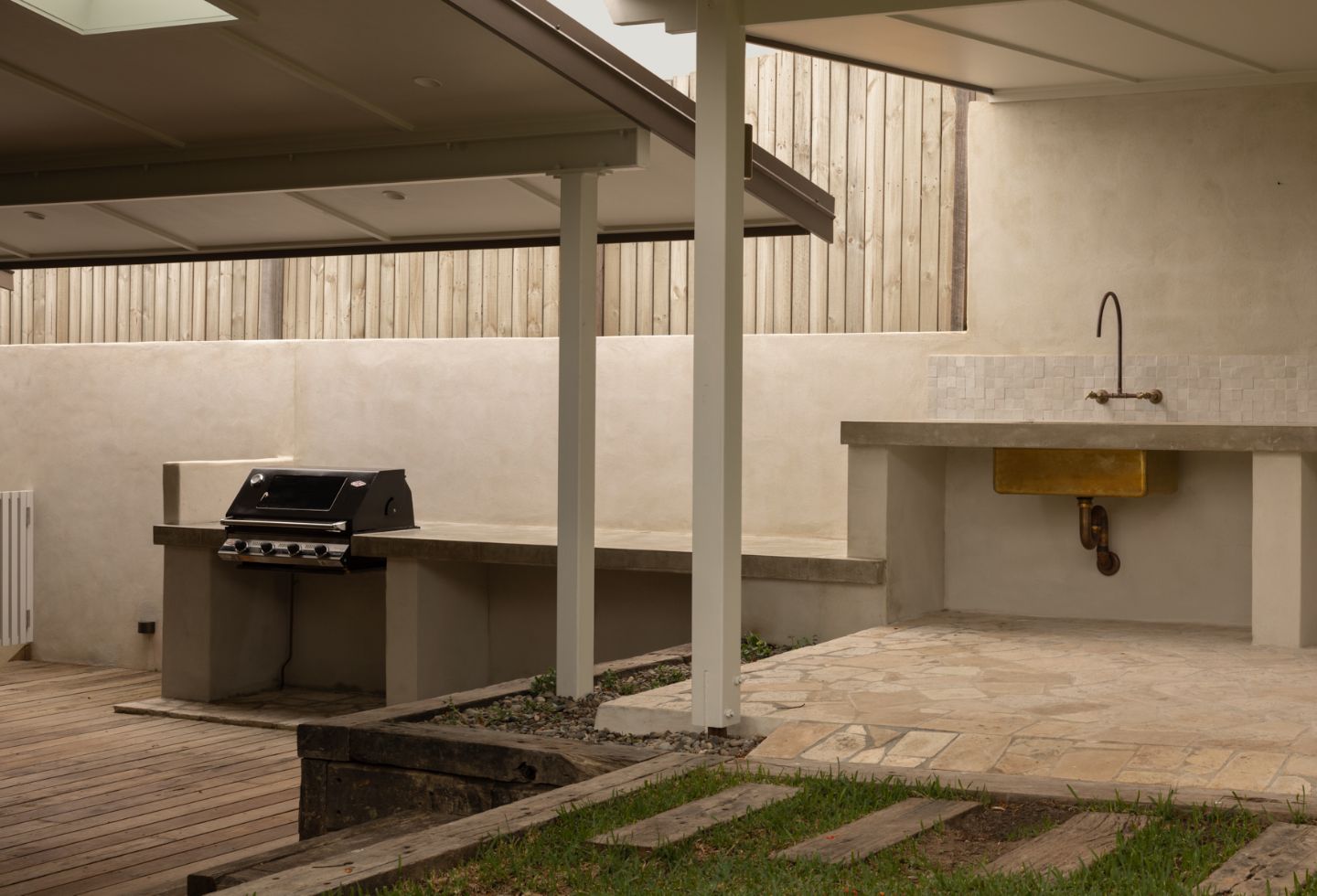
This project begins with a familiar coastal dilemma: a loved but compromised shack, extended and patched over decades into a rabbit-warren. Occupy Studio responds by retaining the external shell while rethinking the plan to restore light, ventilation and connection to outdoors, all central to the Byron Bay lifestyle. Reconfigured trusses and skylight wells bring volume back into the home, creating a deliberately varied section of cosy bedrooms and expansive living zones. A previously underused undercroft becomes a light-filled guest suite that celebrates the existing hardwood and brick bones. The result is relaxed and generous, proving that coastal comfort can be achieved through careful reworking rather than total replacement.
The Carlisle
Interior design: Penman Brown Interior Design
Photography: Anson Smart
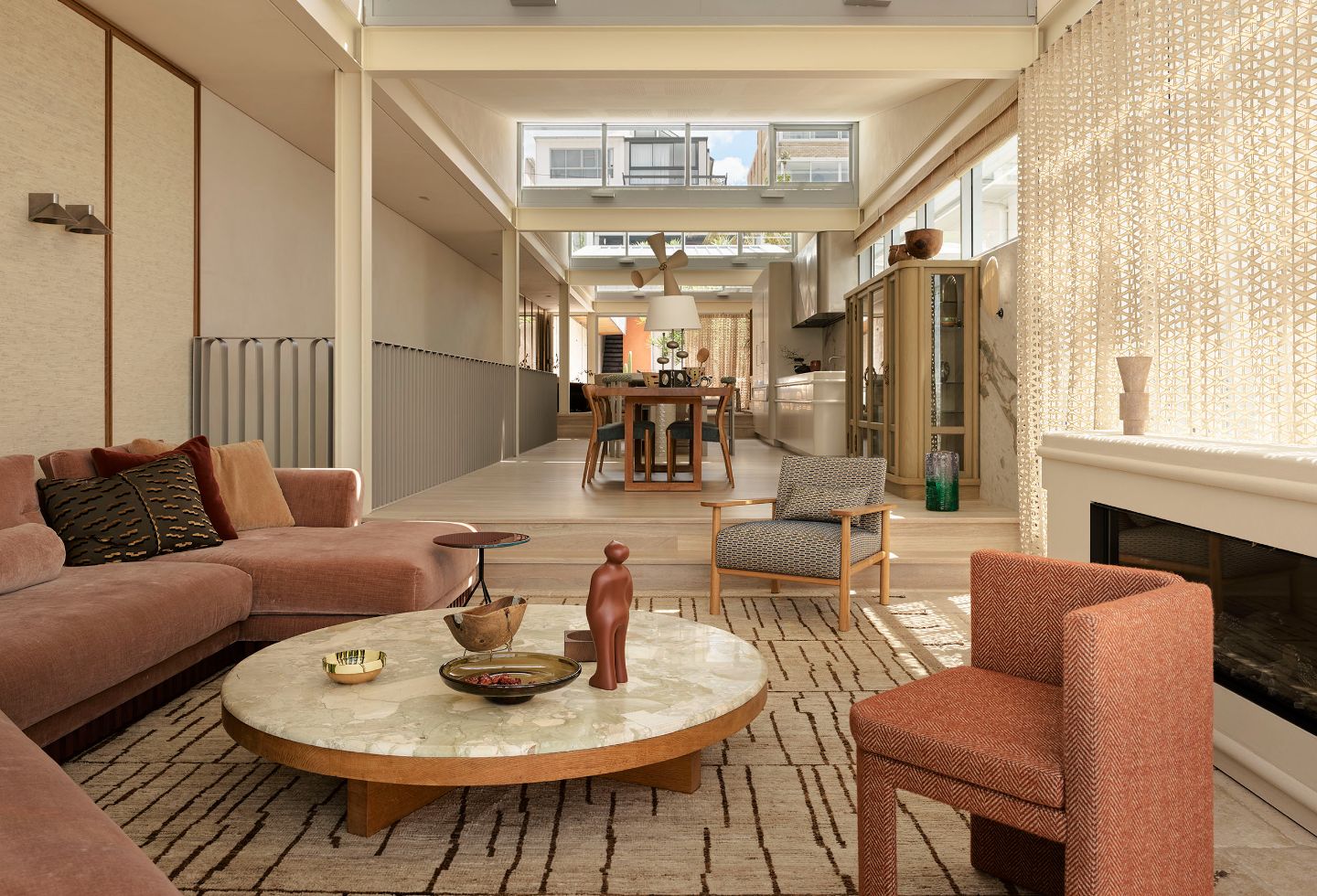
Perched above Tamarama Beach, The Carlisle transforms a 2000s glass-and-metal box into something far richer in mood and tactility, while limiting demolition to reduce waste. Inspired by American Gigolo and shaped by what the studio describes as “rustic futurism”, the interiors balance an edgy, dream-like nostalgia with a retreat-like calm. Oak cladding, grass weaves, textured window treatments and softened finishes build privacy and warmth against the hard coastal envelope, while sculptural metals and carefully selected stone introduce surprise and sheen. It is a beach house that frames its extraordinary setting, but insists on being lived in rather than merely looked at.